
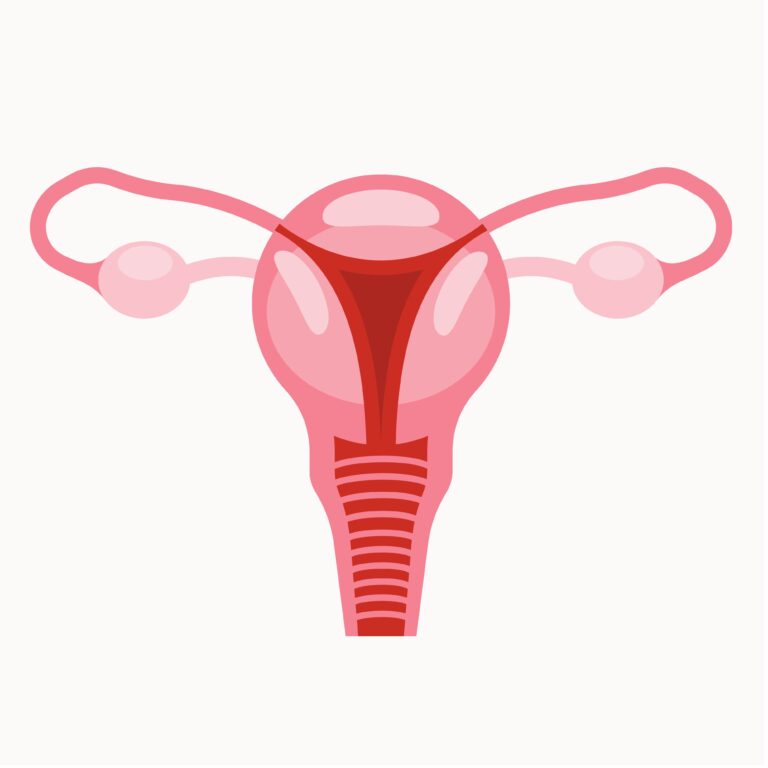
PCOS is now also described as PMOS. PMOS stands for Polyendocrine Metabolic Ovarian Syndrome, a term introduced in The Lancet to better reflect that PCOS involves multiple hormone systems and metabolic factors, not only the ovaries. You will continue to see both names used together over the next few years as patients and clinicians align on terminology.
For years, Polycystic Ovary Syndrome (PCOS) has been one of the most common yet misunderstood hormonal conditions affecting women. In 2026, an international group of medical experts announced a new name for the condition: Polyendocrine Metabolic Ovarian Syndrome (PMOS). The change is intended to better reflect the complex hormonal and metabolic nature of the condition rather than focusing solely on the ovaries.
If you have been diagnosed with PCOS or recently heard the term PMOS, you may be wondering what this means for your health, menstrual cycle, and treatment options.
The good news is that while the name has changed, the condition itself has not. Understanding the broader picture can help you take proactive steps toward better hormonal health.
Why Is PCOS Being Renamed PMOS?
The term “Polycystic Ovary Syndrome” has long been criticized for being misleading. Despite the name, many women with PCOS do not have ovarian cysts, and ovarian changes are only one aspect of the condition. Experts felt the old name failed to capture the hormonal, metabolic, reproductive, and even mental health impacts associated with the disorder.
The new name, Polyendocrine Metabolic Ovarian Syndrome (PMOS), highlights three key aspects:
Polyendocrine
Multiple hormone systems are involved, including insulin, estrogen, progesterone, luteinizing hormone (LH), follicle-stimulating hormone (FSH), and androgens.
Metabolic
Insulin resistance and metabolic dysfunction are common features and may contribute to weight gain, inflammation, and increased risk of type 2 diabetes.
Ovarian
The ovaries remain an important part of the condition because ovulation and reproductive health are often affected.
How PMOS Affects Your Menstrual Cycle
One of the most common signs of PMOS is an irregular menstrual cycle.
In a typical menstrual cycle, hormones work together to mature and release an egg during ovulation. In PMOS, hormonal imbalances can disrupt this process, causing ovulation to occur infrequently or not at all.
As a result, women may experience:
- Irregular periods
- Missed periods
- Longer menstrual cycles
- Very light or very heavy bleeding
- Difficulty predicting ovulation
- Fertility challenges
When ovulation does not occur regularly, progesterone levels remain low, which can lead to prolonged estrogen exposure and unpredictable bleeding patterns.
Common Symptoms Beyond Your Cycle
PMOS is not simply a reproductive condition. It can affect multiple systems throughout the body. Common symptoms include:
Hormonal Symptoms
- Acne
- Excess facial or body hair growth
- Hair thinning on the scalp
- Oily skin
Metabolic Symptoms
- Weight gain or difficulty losing weight
- Insulin resistance
- Elevated blood sugar levels
- Increased risk of metabolic syndrome
Emotional and Mental Health Symptoms
- Mood changes
- Anxiety
- Depression
- Reduced self-confidence related to symptoms
Many women experience symptoms differently, which is one reason diagnosis can sometimes be delayed.
Does the Name Change Affect Diagnosis?
No.
Current diagnostic criteria remain the same during the transition from PCOS to PMOS. Healthcare providers still evaluate a combination of factors, including:
- Irregular or absent ovulation
- Elevated androgen levels
- Polycystic ovarian appearance on ultrasound
Typically, two of these three criteria are needed for diagnosis after other conditions have been ruled out.
If you have already been diagnosed with PCOS, your diagnosis remains valid.
Supportive Next Steps for Managing PMOS
Although there is currently no cure, many women successfully manage symptoms and improve their quality of life through a personalized treatment approach.
Focus on Nutrition
A balanced diet that supports blood sugar regulation may help improve insulin sensitivity and hormone balance. Consider:
- Prioritizing lean proteins
- Increasing fiber intake
- Choosing complex carbohydrates
- Limiting highly processed foods and excess sugar
Stay Physically Active
Regular exercise can support insulin sensitivity, cardiovascular health, weight management, and mood regulation.
Monitor Your Hormonal Health
Routine evaluations can help identify changes in:
- Blood sugar levels
- Cholesterol
- Hormone levels
- Menstrual patterns
Address Fertility Goals Early
If pregnancy is a future goal, discussing ovulation and fertility planning with your healthcare provider can help create a proactive strategy.
Prioritize Mental Wellness
Living with a chronic hormonal condition can be emotionally challenging. Counseling, stress-management techniques, mindfulness practices, and supportive healthcare providers can make a meaningful difference.
What This Name Change Means for the Future
The transition from PCOS to PMOS represents more than a new label. It reflects a growing understanding that this condition affects the entire body, not just the ovaries. Experts hope the updated terminology will improve awareness, encourage earlier diagnosis, and lead to more comprehensive care for millions of women worldwide.
While the terminology may evolve, the goal remains the same: helping women understand their bodies, manage symptoms effectively, and achieve long-term health and wellness.
Frequently Asked Questions
Is PMOS different from PCOS?
No. PMOS is the new name for the same condition previously known as PCOS. The diagnosis and treatment approaches remain largely unchanged.
Why was the name changed?
Experts felt the term PCOS focused too heavily on ovarian cysts and did not accurately represent the hormonal and metabolic aspects of the condition.
Can PMOS affect fertility?
Yes. Irregular ovulation can make conception more difficult, but many women with PMOS successfully become pregnant with appropriate medical support.
Will my treatment change because of the new name?
In most cases, no. The name change is intended to improve understanding and awareness rather than alter current treatment recommendations.
Take the Next Step
If you are experiencing irregular periods, unexplained weight changes, acne, excess hair growth, or fertility concerns, a comprehensive evaluation can help identify underlying hormonal imbalances. Early diagnosis and personalized care can help you better manage symptoms and support your long-term health.
If you are ready for personalized guidance, you can book a Free Discovery Call (15 minutes) to discuss symptoms, goals, and whether our approach is a good fit. For local and virtual options, explore our integrative functional medicine care in Chicago and beyond.